






Coastal / Inshore Marine
Coastal and inshore marine environments are among the most productive and diverse fishing areas on the planet. These waters sit at the intersection of land and ocean, typically extending from the shoreline out to the edge of the continental shelf or to depths reachable by small boats. For anglers, these environments provide accessible fishing with a wide range of species, habitats, and techniques.
Unlike offshore waters that require larger vessels and long travel times, coastal and inshore fishing often takes place close to land—within bays, estuaries, reefs, surf zones, and nearshore waters. These ecosystems are highly dynamic, influenced by tides, freshwater runoff, weather, and seasonal migration patterns.
What Defines Coastal / Inshore Waters
Coastal or inshore marine waters generally include:
-
Surf zones along beaches
-
Rock platforms and headlands
-
Estuaries and river mouths
-
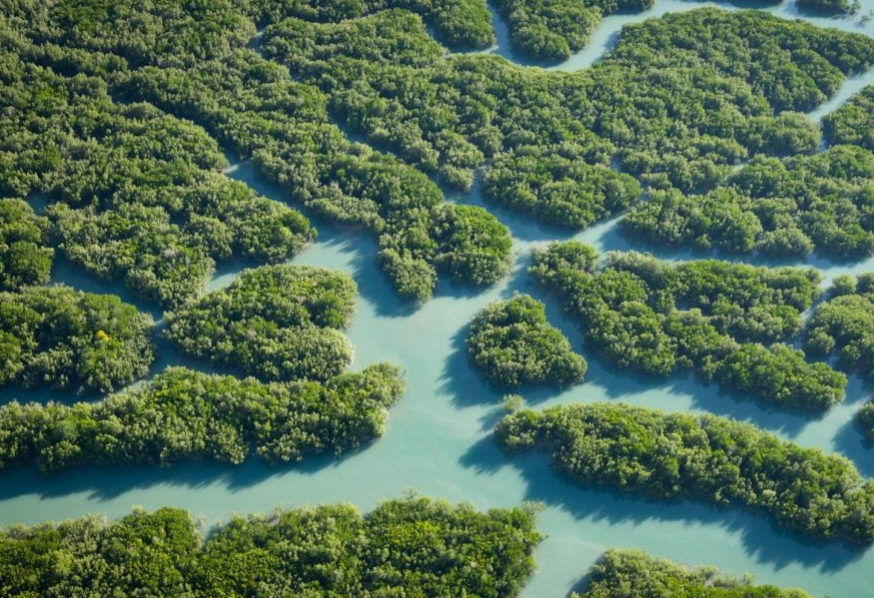
Mangrove systems and tidal flats
-
Seagrass beds
-
Inshore reefs and bommies
-
Harbours and bays
These habitats provide shelter, feeding grounds, and breeding areas for many fish species. Nutrients from rivers and tidal mixing make these areas biologically rich, supporting baitfish, crustaceans, and predators.
Key Habitat Types
Estuaries and River Mouths
Estuaries are areas where freshwater meets the ocean. They are nursery zones for many fish species.
Common features include:
-
Mangroves
-
Mud and sand flats
-
Oyster leases
-
Channels and drop-offs
Species commonly found here include bream, flathead, mulloway, whiting, and mangrove jack.
Surf Beaches
Surf zones create turbulent, oxygen-rich water where baitfish and crustaceans are constantly stirred up by waves.
Fish patrol gutters and sandbanks looking for food.
Common surf species:
-
Australian salmon
-
Tailor
-
Mulloway
-
Bream
-
Whiting
Rocky Coastlines
Rocky headlands and platforms provide structure where predators hunt around wash zones and reef edges.
Typical species include:
-
Snapper
-
Drummer
-
Groper
-
Kingfish
-
Bonito
These environments require careful fishing due to swell and wave action but can be extremely productive.
Seagrass Beds and Flats
Seagrass meadows act as feeding grounds for small fish, prawns, and crabs.
Predatory fish patrol these areas, especially on rising tides.
Species often found here include:
-
Flathead
-
Whiting
-
Bream
-
Trevally
Why Inshore Waters Are So Productive
Several factors make coastal waters highly productive fishing environments:
1. Nutrient Input
Rivers deliver organic material and nutrients into the system.
2. Habitat Diversity
A mix of sand, rock, vegetation, and reef creates many ecological niches.
3. Tidal Movement
Tides constantly move food through the system.
4. Nursery Areas
Many juvenile fish grow up in estuaries before moving offshore.
Because of this, coastal zones often hold fish year-round.
Fishing Approaches
Anglers target coastal environments using a wide variety of techniques:
Land-based fishing
-
Surfcasting from beaches
-
Rock fishing from headlands
-
Fishing estuary banks and jetties
Boat-based fishing
-
Drifting estuary channels
-
Casting across flats
-
Working inshore reefs
Common techniques
-
Lure casting
-
Soft plastics
-
Bait fishing
-
Surface lures in shallow water
The ability to access these areas without large vessels makes inshore fishing extremely popular.
Seasonal Patterns
Coastal fishing changes throughout the year due to water temperature and fish migration.
Typical seasonal patterns in Australia include:
-
Summer: Pelagic species like kingfish and bonito move close to shore.
-
Autumn: Excellent for mulloway and snapper.
-
Winter: Bream, drummer, and salmon dominate many coastal areas.
-
Spring: Increasing bait activity and warming water bring predators back.
Understanding local seasonal cycles dramatically improves fishing success.
Conservation and Sustainability
Because coastal waters are accessible and heavily fished, responsible practices are essential.
Good anglers focus on:
-
Observing size and bag limits
-
Catch and release when appropriate
-
Protecting seagrass and mangrove habitats
-
Minimising pollution and discarded fishing line
Healthy coastal ecosystems support both recreational fishing and marine biodiversity.
? In Summary
Coastal and inshore marine environments represent one of the most accessible and productive fishing zones. With diverse habitats—from mangrove estuaries to surf beaches and rocky headlands—these waters support a wide range of species and fishing styles. Understanding tides, structure, and seasonal movements allows anglers to make the most of these dynamic ecosystems.
The Clouser in my view is the quintessential salt water fly. It can be tied in sizes to suit Bream or Bill fish and with the correct dressing and size is equally at home in salt water, trout and bass fisheries. Many flies whilst not acknowledging their heritage are based on the Clouser recipe. Have...
Last Updated: March 2026Prawns and shrimp are crustaceans, of the family Isopod, and are endemic to our Australian estuary waters. They are toward the top of the food chain for a lot of coastal species of fish including bream, flathead and whiting. Prawns and shrimp are similar in form and function to each other and have...
Last Updated: March 2026When this fly was fist developed in the mid 90's it was intended as an estuary fly for bream and flathead on the South Coast of NSW. With outstanding results in that estuary role it's use has extended to temperate and tropical fresh and salt water applications where it has taken flathead, bream,...
Last Updated: March 2026If I could only carry one type of fly when fishing for bonefish on Christmas Island, Aitutaki, The Bahamas, tropical Australia or other Pacific Islands or The Seychelles or other Islands in the Indian Ocean it would undoubtedly be the Christmas Island Special. The recipe is very much a tropical...
Last Updated: March 2026Endemic to beaches all the way from Northern Queensland to Central Victoria nippers (Trypaea australiensis) are widely regarded as the best of baits for a range of coastal and estuary species of fish. They are a borrowing shrimp and generally harvested with the use of a nipper pump. They are a...
Last Updated: March 2026Designed by Lefty Kreh in the 50's this fly or class of fly has stood the test of time. In terms of popularity with salt water fly fisher folk it probably runs second only to the Clouser Minnow. The Deceiver was designed to be easily tied in a range of sizes and in a range of colours and...
Last Updated: March 2026Poppers are a bit harder to cast than a normal fly because of the wind resistance but if you slow your cast down a little I'm sure you'll soon get the hang of it. Once you do you have another tool in your arsenal which is useful in three diverse situations: When pelagic fish are actively pushing...
Last Updated: March 2026Whilst not as realistic looking as my Leather Crab pattern the Combo Crab is my preferred crab pattern because it casts so much better and as a consequence you get more fishing time. You may notice that the fly has only three sets of legs plus claws whilst the natural has four sets of legs plus...
Last Updated: March 2026If the Clouser Minnow is the quintessential blue water fly then the Crazy Charlie is perhaps the same for inshore waters. First tied by American Bob Nauheim as a flats fly for bluefish this fly has proven to be a very versatile fly pattern. The original was tied both, with and without a tail, with...
Last Updated: March 2026My first fish on fly fell to the magic of a Woolly Bugger and many have gone the same way since then. Some say that what we call a woolly bugger had its origins in America where it appears to have been tied, as a leach imitation. Others say it had its origins in English where evolving at roughly...
Last Updated: March 2026In 2003 one of my fishing mates Ray Ellis developed a Crazy Charlie variation which had an epoxy head and a translucent body of Superhair. Ray's Epoxy Charlie as I named it worked very well and by experimentation we concluded that it was the heavily dressed translucent body that was in fact fooling...
Last Updated: March 2026This is a great fly to rip through the water in front of Tailor, Australian Salmon, Tarpon and any other fish that is a predator of small fish. The combination of the resin head and the body materials create a fly that is translucent and a very effective imitation of many small thin fish that that...
Last Updated: March 2026Candy flies or more properly "Surf Candy" flies were developed by renowned American salt water fly tier Bob Popovic's specifically as a bait fish imitation to target bonito and albacore. They are a robust fly and work very well on pelagics such as members of the tuna family, Australian salmon and...
Last Updated: March 2026I came up with the design for this fly in 2011 and have used it with great success ever since. Designed to be fished with a stop start retrieve along the bottom this fly looks very much like a shrimp or prawn that is in row carrying eggs)and is an ideal fly for targeting bottom feeders such as...
Last Updated: March 2026Prawns and shrimp are crustaceans, of the family Isopod, and are endemic to our Australian estuary waters. They are toward the top of the food chain for a lot of coastal species of fish including bream, flathead and whiting. Prawns and shrimp are similar in form and function to each other and have...
Last Updated: March 2026I developed this fly to fill a place in my fly box for a fly that can be fished in all those areas where scroungers including: Flathead, Mangrove Jack, Fingermark, Grunter and Salmon and other predators scrounge are targeting small fish that are being flushed out of mangroves, rocky shores, drowned...
Last Updated: March 2026Jelly prawns are one of the critical building blocks at the lower end of the food chain in our tropical and sub-tropical estuaries. They are also a favourite food item for many species of iconic tropical sport fish such as barramundi, king threadfin salmon and blue threadfin salmon and tarpon to...
Last Updated: March 2026My articulated swimmer dressed in the red and white "Qantas" colours has been one of my most successful prospecting flies for Central Queensland. It has caught more than its fair share of barramundi in both the Boyne River and Awoonga Dam and has caught other species including bream, flathead,...
Last Updated: March 2026My articulated scrounger minnow works very well in those areas where flathead, jacks, grunter, bream and other predators target small fish that on the falling tide are being flushed out of mangroves, rocky shores, drowned timber and weed beds. This is the third in my series of scrounger flies and...
Last Updated: March 2026Whilst not designed to represent any particular bait fish I have designed this fly to have a shape, form and function similar to many of the little fish that predators hunt. This #2/0 estuary fly is 9 cm long and because it's unweighted it's relatively easy to cast. It's a great fly to use when...
Last Updated: March 2026I developed this fly to fish both the snaggy rock and coral waters for reef fish but more recently have found a place for it when fishing the open blue waters pelagics and estuary waters of Central Queensland when targeting bigger inshore fish which we regularly encounter including but not limited...
Last Updated: March 2026I am lucky in that I often find myself having the opportunity of fishing my #8 weight fly outfits to either in east coat estuary waters or inland native species waters. Along the coast and in estuaries I target bream, flathead, whiting, tarpon and small pelagics on my #8 weight outfits. Inland I...
Last Updated: March 2026