




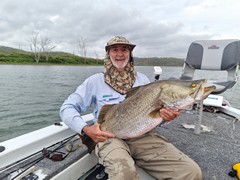


Flathead
Before we go too far I just want to put it out there this post is just a reflection of part of my fly fishing journey. Don’t take it as gospel but do feel free to use it as a foundation in developing your own abilities to catch a fish on fly … in this case flathead.
2020 Boyne Tannum Hook Up is getting closer all the time … Friday 1st, Saturday 2nd and Sunday 3rd May
Bream, Flathead, Whiting, Grunter and Fingermark are new “Caught on fly” categories.
Thought I might do a post on each of those … hope this one helps you catch a Flathead on fly.
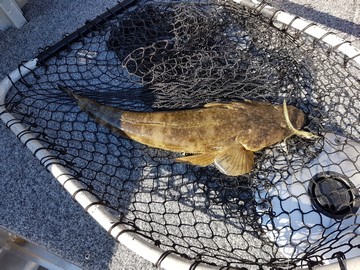
Flathead are definitely one of the easier species of estuary fish to catch on fly. They will respond to a wide range of traditional and specialist flies and you will catch them as a by catch when your fishing small flies (from a flathead’s perspective) to species such as bream and whiting and relatively big flies (from a flathead’s perspective) even when fishing for barra.
 |
 |
 |
Best times
The phases of the moon influences the occurrence of bite windows
- The best time to fish for flathead, and most fish, is the first 7 days after the new moon.
- As for all fishing the time just before and after sunset and dawn can be a significant time for a bite window.
Other considerations
- Generally flathead are most active when the tide is falling and on the ebb of the falling tide.
- If you want to increase your catch rate keep in mind that flathead are predominately ambush predators and generally follow the ebbing tide out and lay in wait, often partially covered with a dusting of sand, to target small fish, crustaceans including crabs and prawns, molluscs and worms to be flushed off the flats or from amongst mangrove roots and other edge structure in rivers and coastal shorelines into deeper water.
- Hot spots are those areas where the receding water concentrates food items so focus on areas such as gutters and channels that drain sand or mud banks and mangrove and vegetated edges of rivers and coastal areas.
- As the tide ebbs and the tides start to come in there will be less the concentration of the small fish, crustaceans including crabs and prawns, molluscs and worms that the flathead have been feeding on and the flathead will disperse making them harder to locate. At these time you will still find them laying in weighting in channels particularly in inundations and drop off’s caused by the tidal run, along the edge of weed banks, and behind structure such as rocks and drowned timber.
- Whilst flathead generally feed as ambush predators during the day they feed much more openly at night not only spending plenty of time as ambush predators but also when required foraging for food more widely. Prawns in particular but also small bait fish such as poddy mullet are often more active at night and flathead respond to that by comfortably feeding throughout the water column and even take targets from the surface particularly in shallow water.
Stealth
Keep in mind that bream are easily spooked so you have to be stealthy in your movements and casts.
- So when you approach an area you going to fish do it slowly and if available quietly under the power of your electric motor and take advantage of any cover that’s available. Don’t cast a long shadow over or motor over over the water your going to fish. Longer casts are important and cast to the side of any fish your targeting.
- If your using an anchor deploy and retrieve it slowly and quietly so that there is no bumps or chain noises that will scare fish.
Techniques
It’s surprising how far up a flathead will come to take a fly but you will definitely catch more flathead if you get your fly right down on the bottom and scratching up little puffs of sand occasionally as the fly is stripped in. Given the range of depths that flathead feed in your choice of fly line can be important and your actual choice will be dictated by the depth and bottom structure, the run of the tide, the wind and the type of the water your fishing.
The best retrieve is definitely a short strip that allows the fly to scrape the bottom occasionally stirring up a puff of bottom material and then lifting the fly just a few inches and then dropping it back to the bottom before repeating that process for the full retrieve.
Fly selection
When targeting our dusky and barred Gladstone flathead my preference is to use flies size #2/0 and #3/0.
Slightly translucent flies in natural colours work best for clear water and brighter flies in solid colours, which attract more attention, are better in discoloured water.
Given that flathead eat mainly prawns and shrimp, small fish and to a lesser extent molluscs such as oysters, worms and crabs it’s not surprising that the best flies for flathead are representations of prawns and small fish.
Follow this link for a selection of eatuary flies for flathead ond other estuary species.