






Environments
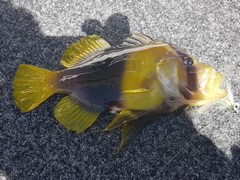
Current rarely moves cleanly across a reef. As water meets these features, it is redirected — pushed upward, slowed, split, and curled back on itself. Small pockets of calmer water form beside areas of increased pressure. Food is carried into these zones and held there, often longer than it would…
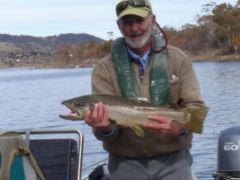
Last Updated: April 2026Offshore environments feel defined by scale. Once the coastline falls away, structure becomes less visible, and the sense of reference begins to fade. The water deepens quickly, colour shifts to a uniform blue, and the horizon stretches without interruption. It can appear featureless at first —…
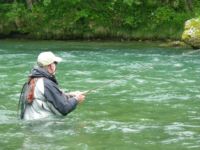
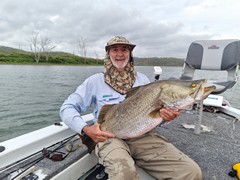
Last Updated: April 2026Freshwater environments carry a different kind of stillness. Removed from the influence of tides and swell, they are shaped instead by gravity, terrain, and time. Water moves in one direction, guided by the contours of the land, gathering in pools, narrowing through runs, and slowing again as it…
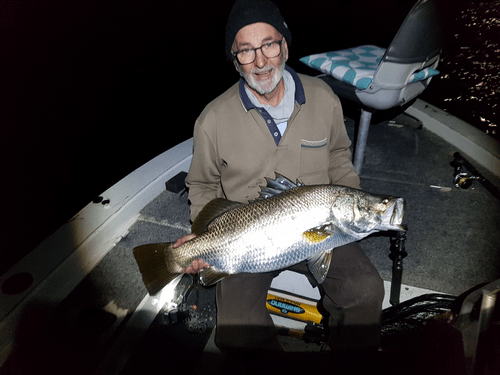
Last Updated: April 2026Estuaries exist in a constant state of negotiation. Freshwater makes its way down from inland systems, carrying sediment, nutrients, and life with it, while the tide quietly pushes saltwater back in from the sea. Between the two, a balance forms — though it is never fixed. It shifts with rainfall,…
Last Updated: April 2026Coastal and inshore waters carry a different kind of energy. Here, the influence of the open ocean is always present. Swell rolls in from distant systems, wind shapes the surface, and tides push with greater force and scale. The environment feels broader, less contained than an estuary — but no…
Last Updated: April 2026